
Episode 4: The Final Piece of the Puzzel - The World Cup
AMF U13 FUTSAL WORLD CUP BRAZIL 2025
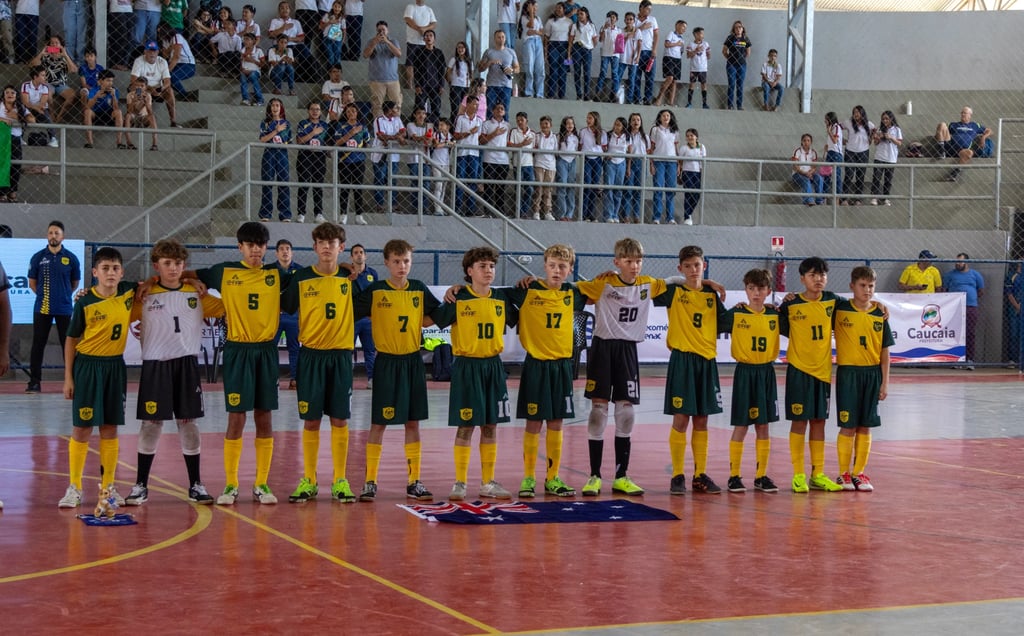
Arriving in Fortaleza
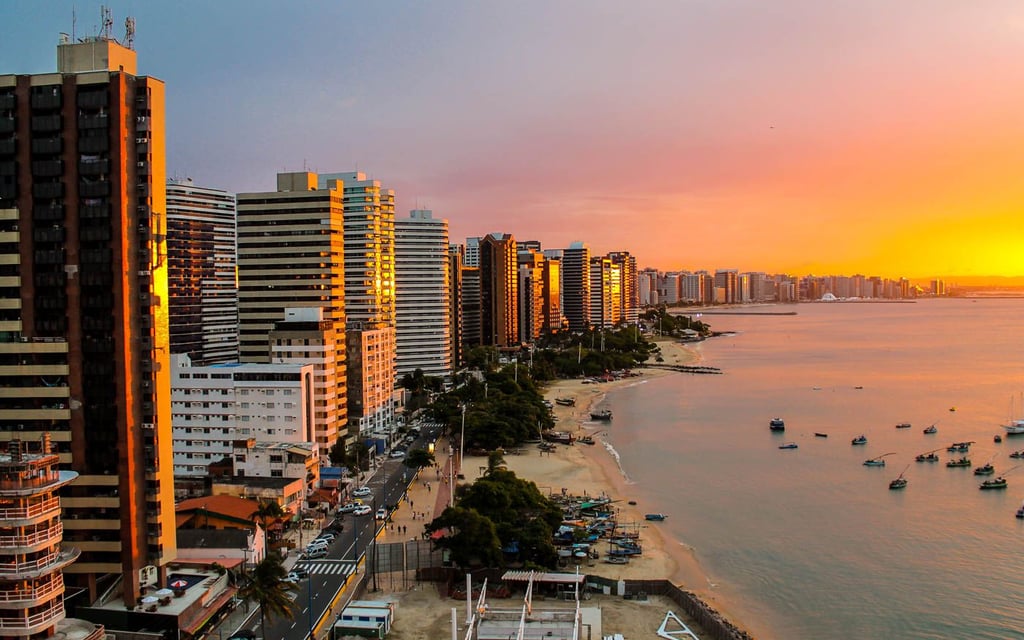
Landing in Fortaleza on Sunday morning, we were met with heat that never seemed to let up. Thirty degrees was considered a standard day and locals told us the weather here has only three settings: hot, hotter, and unbearable. Even though it was officially winter in Brazil, every day carried the intensity of an Australian summer.
The city itself is a fascinating mix. On one side, the beaches and tourist strip are beautiful, full of life, colour, hotels, restaurants, and shopping centres. On the other, as you drive further from the centre, the streets become tougher, the houses smaller, and the environment more challenging. It felt like two worlds coexisting. The people, however, were consistently warm and welcoming, always willing to share a smile or conversation despite the heat.
Our hotel was a gated estate situated in one of the less affluent parts of the city. Inside, there were pools, open spaces, and safety. Outside, though, was not an area to explore freely. Meals were provided three times a day. The variety was limited, often rice, beans, meat, and salads, which soon tested the patience of young players. To ease the monotony, families began taking their children out in the evenings for a change of scene and food.
A World Cup Atmosphere
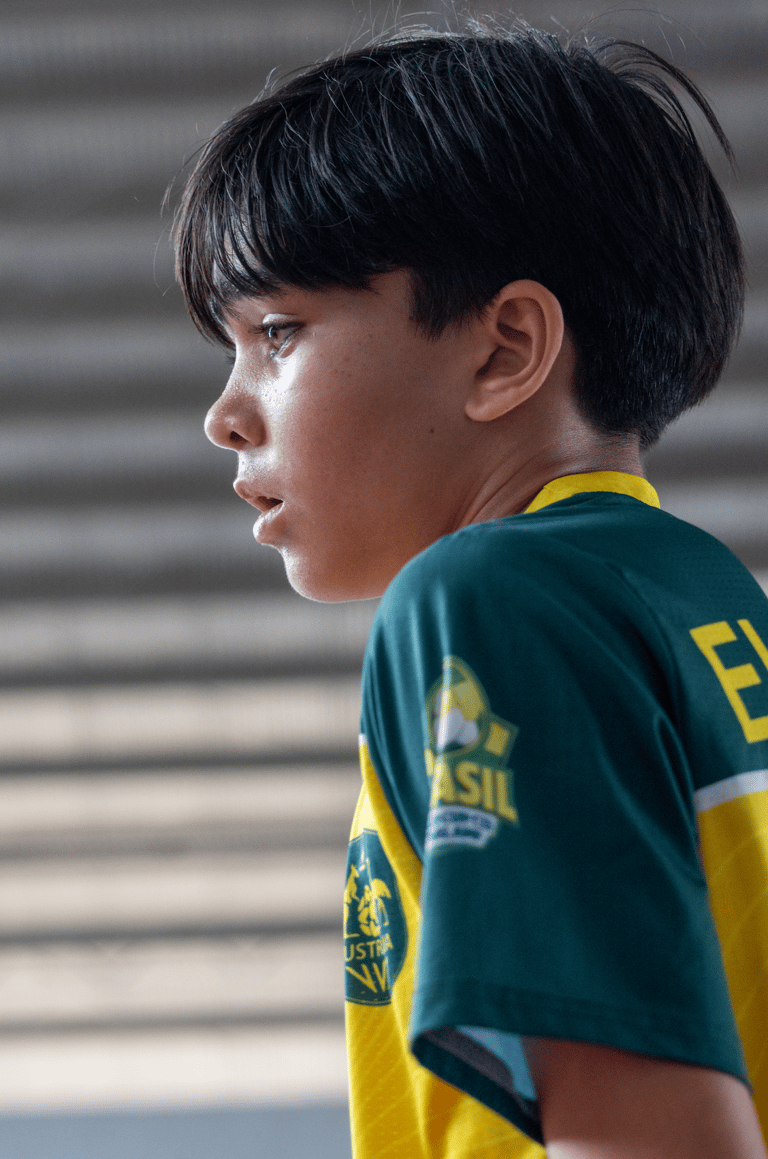
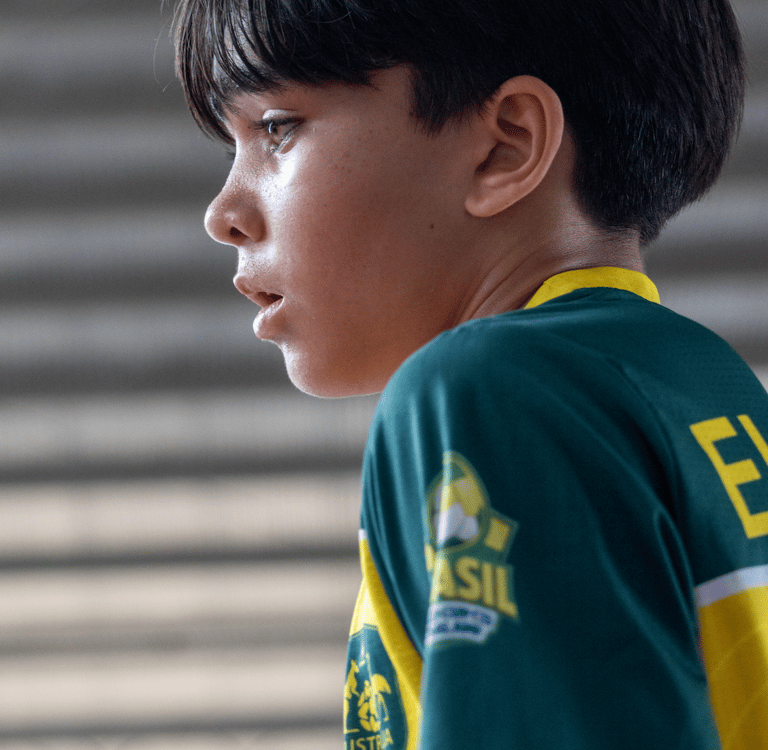
What made Fortaleza extraordinary was that this was the stage of a World Cup. The AMF Futsal World Cup brought teams from across the globe together, and for our 13-year-old Australians it was unlike anything they had ever experienced.
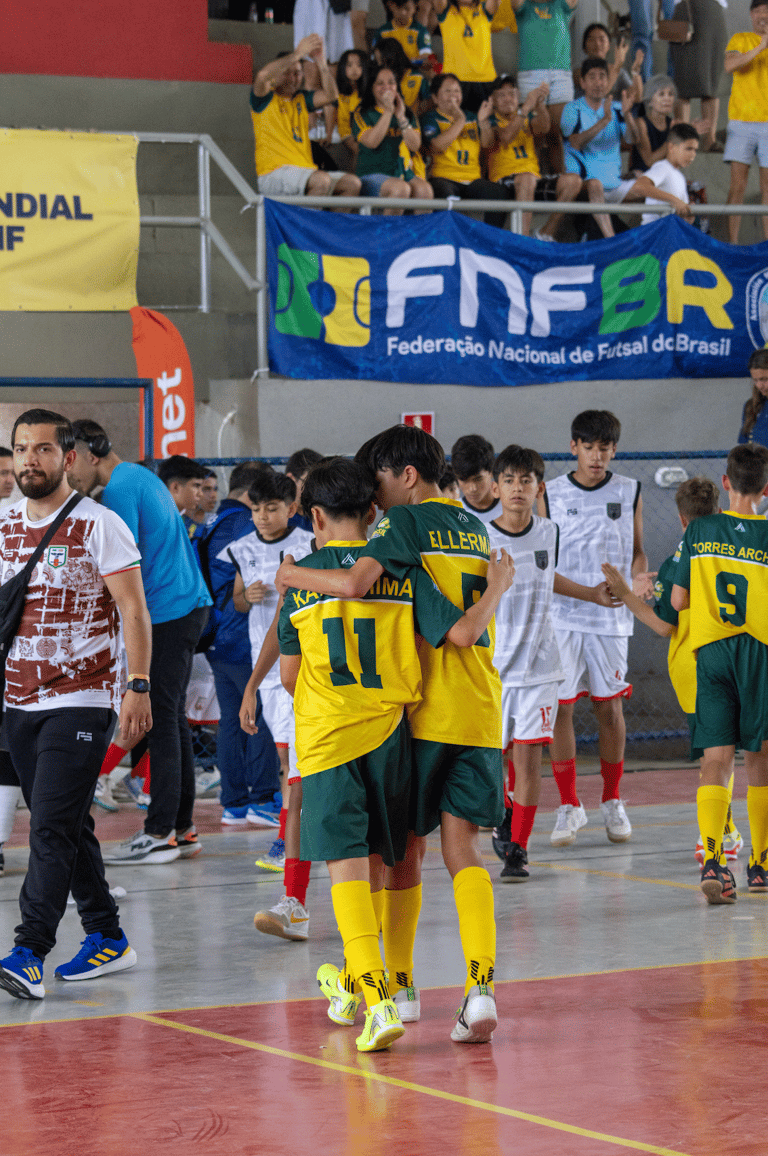
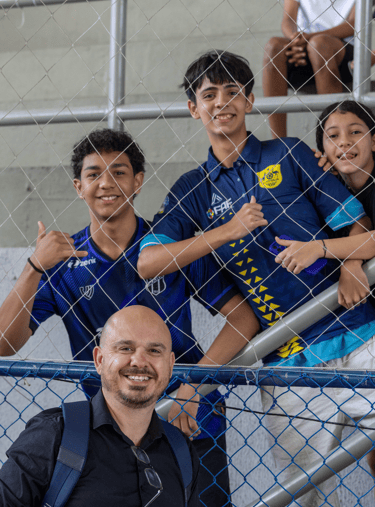
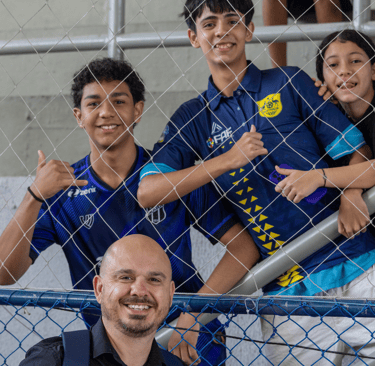
The crowds were electric. Thousands of locals packed into the stadiums, cheering, chanting, and creating an atmosphere that made every game feel like a final. For many of our players, this was the first time they had ever played in front of a crowd of this size, and the fans treated them as stars.
After every match, people waited outside to greet the boys. They asked for photos, signatures, and even shirts. The warmth and passion of the Brazilian supporters was one of the most beautiful parts of the trip. This was not just about Brazil or their national team — the fans loved the game itself and they embraced every player who stepped onto the court. For our young Australians, being celebrated by strangers in a foreign city was an unforgettable reminder of the global love for Futsal.
The Tournament Begins
Our campaign began with a loss to Canada. We had expected to start stronger, but the game slipped away from us and ended 2–1. It was a disappointing beginning.
The second match brought us face to face with Brazil, the overwhelming favourites. From the first whistle, their quality was clear. They were not only technically brilliant but tactically disciplined. Their set plays were executed with precision, their rotations seamless, and their decision making almost flawless. The Brazilian players were also much larger physically. They were stronger, faster, and covered the court with an athleticism that left us struggling to keep up. Watching them eat in the hotel restaurant offered a clue: plates piled high with fruit, vegetables, rice, beans, lean meats — a diet that fuels both strength and endurance. Their coaching staff was equally impressive, highly professional in their approach and clearly experienced in preparing young players for competition at the highest level.
Colombia followed, and again we faced a team operating at another level. Their style was different from Brazil’s but no less dangerous. They played with incredible speed, skill, and flair, constantly attempting tricky passes, creative dribbles, and inventive finishes. Every player seemed fearless, and the passion they showed electrified the court. We simply could not compete with their intensity. It was humbling, but it was also inspiring to see how much they loved the game and how deeply they played for their country.
By this stage, the boys were feeling the toll. Yet as coaches and parents we knew these challenges were part of the experience. They were lessons more valuable than any training session at home.
A Turning Point
Our rematch with Canada marked a shift. The players took the instructions given to them and carried them out with discipline and belief. The result was a 1–1 draw, but the performance showed so much more. It proved that Australia could compete. It proved that when focused and prepared, our boys could match teams we had earlier looked at with intimidation.
That result gave us the opportunity to push for fifth place if we could beat France by four goals in our final match.
The Final Game Against France
The last game was against France, and our players turned up ready. From the opening whistle, they dominated. Every run, every challenge, every pass carried intent. The result was a commanding 4–0 win. We pushed hard for a fifth goal to secure a higher placing, but despite creating chances, it did not arrive.
Still, the victory meant that Australia finished sixth in the World Cup. To put that into context, the teams finishing above us included Brazil, Argentina, Colombia, Mexico, and Canada. For a squad with limited preparation before departing Australia, this was a significant achievement. It was also a credit to the coaching staff who brought the boys together, instilled belief, and helped them grow as a unit across the tournament.
Witnessing the World Cup Final
After our match with France, our squad stayed in the arena to watch Paraguay play Mexico in the playoff, followed by the showpiece event — Brazil versus Colombia in the World Cup final.
The top four nations were Brazil, Colombia, Paraguay, and Mexico, followed by Canada and then Australia. Brazil were the worthy winners, defeating Colombia in front of a packed stadium. The atmosphere was breathtaking. The entire arena shook with drums, horns, chants, and songs. When the final whistle blew, the celebrations erupted in true Brazilian style with confetti, music, and the kind of fanfare that only a World Cup final can deliver.
For our players and families, it was awe-inspiring to witness. The theatre of the event, the passion of the fans, and the way Brazil celebrated its victory left us all with memories that will last a lifetime. It was a privilege simply to be present in that environment and to see how much Futsal means in South America.
Lessons from South America
The two weeks in Brazil gave us more than just results. They gave us perspective. Playing in São Paulo and Fortaleza, our boys had already faced clubs like Santos, Corinthians, and São Paulo FC. They had trained and competed in the same halls where legends like Pelé and Neymar began their journeys. For most Australians, this is an experience almost impossible to imagine, let alone live.
On the court, the tournament was a model of passion and organisation. Referees were consistent, disciplined, and dedicated to their role. Crowds were large, loud, and supportive of every team, but especially Brazil. Off the court, logistics were sometimes unclear. Scheduling changes were announced at the last minute and the tournament format itself was altered after one team failed to appear. Despite these frustrations, the central truth remained: in South America, Futsal is placed on a pedestal. The game itself is protected, celebrated, and treated with reverence.
This is one of the great lessons for us in Australia. Here, we often see parents, coaches, and outside voices trying to shape the story. In Brazil, it is the players and the game that are the centrepiece. The focus is always on their development, their opportunity, their performance.
Reflecting on the Journey
As we wrapped up our time in Fortaleza, families took their children out for dinners, enjoyed final evenings together, and prepared for the long trip home. There was pride in what had been achieved and gratitude for what had been experienced.
The results will not be remembered as much as the lessons. This journey showed that if Australia is to grow in football and futsal, it must learn from places like Brazil. It must embrace the importance of Futsal as a foundation, create environments where the game comes first, and give our young players opportunities to test themselves against the best.
For the boys who travelled, this was more than a World Cup. It was a moment of growth. For the parents, it was a glimpse of what is possible. For the coaches, it was a reminder of why these experiences matter.
And for all of us, it was proof that the future of football and futsal in Australia depends on what we are willing to learn.
Connecting you to professional opportunities globally.
Contact
info@gingaglobalgroup.com
+61 414 580 591
Ginga Global Group © 2025 • Certified Headlines